FIELD NOTES
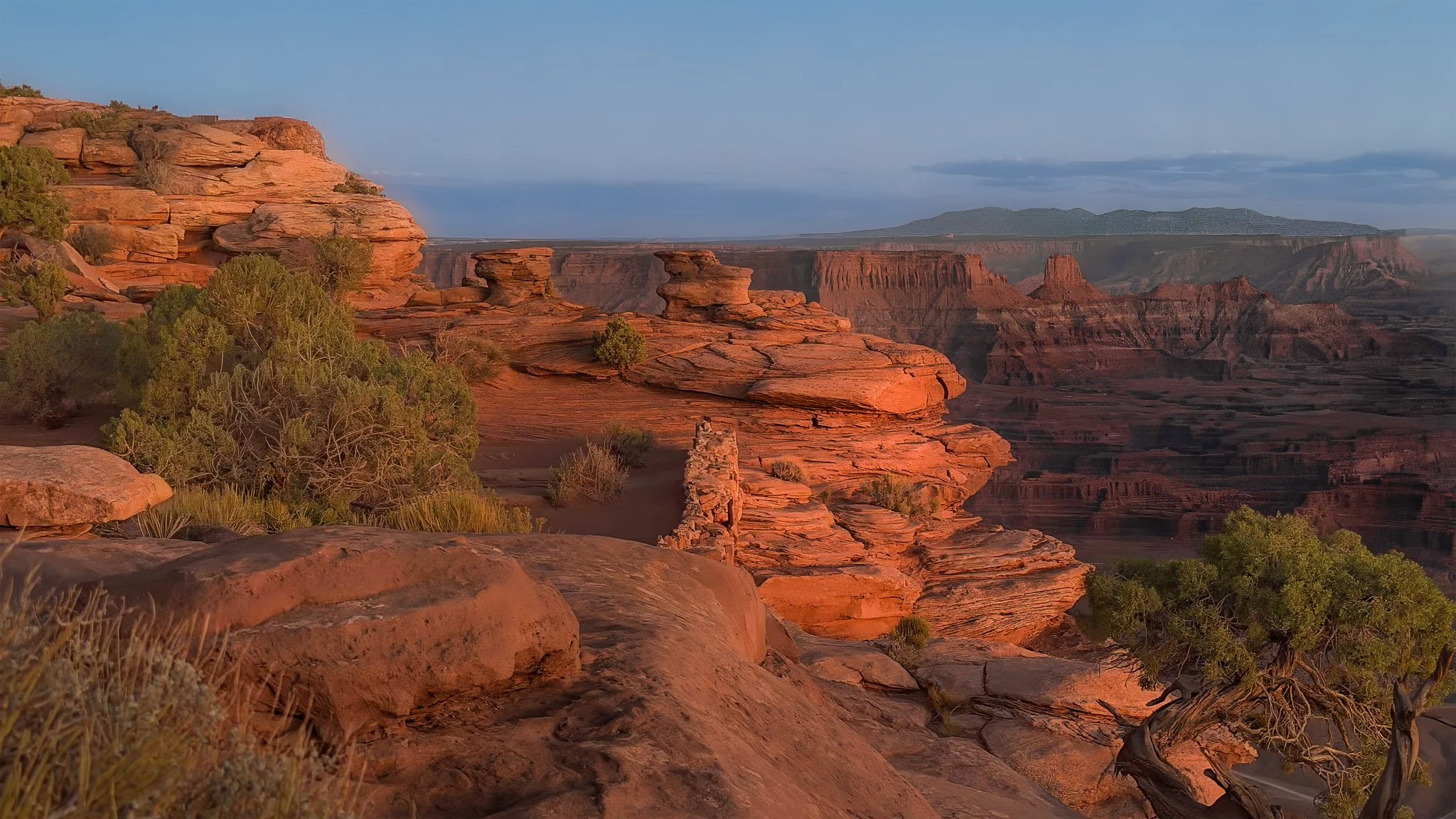
Photography from the field — what I saw, how I approached it, and what I learned along the way.
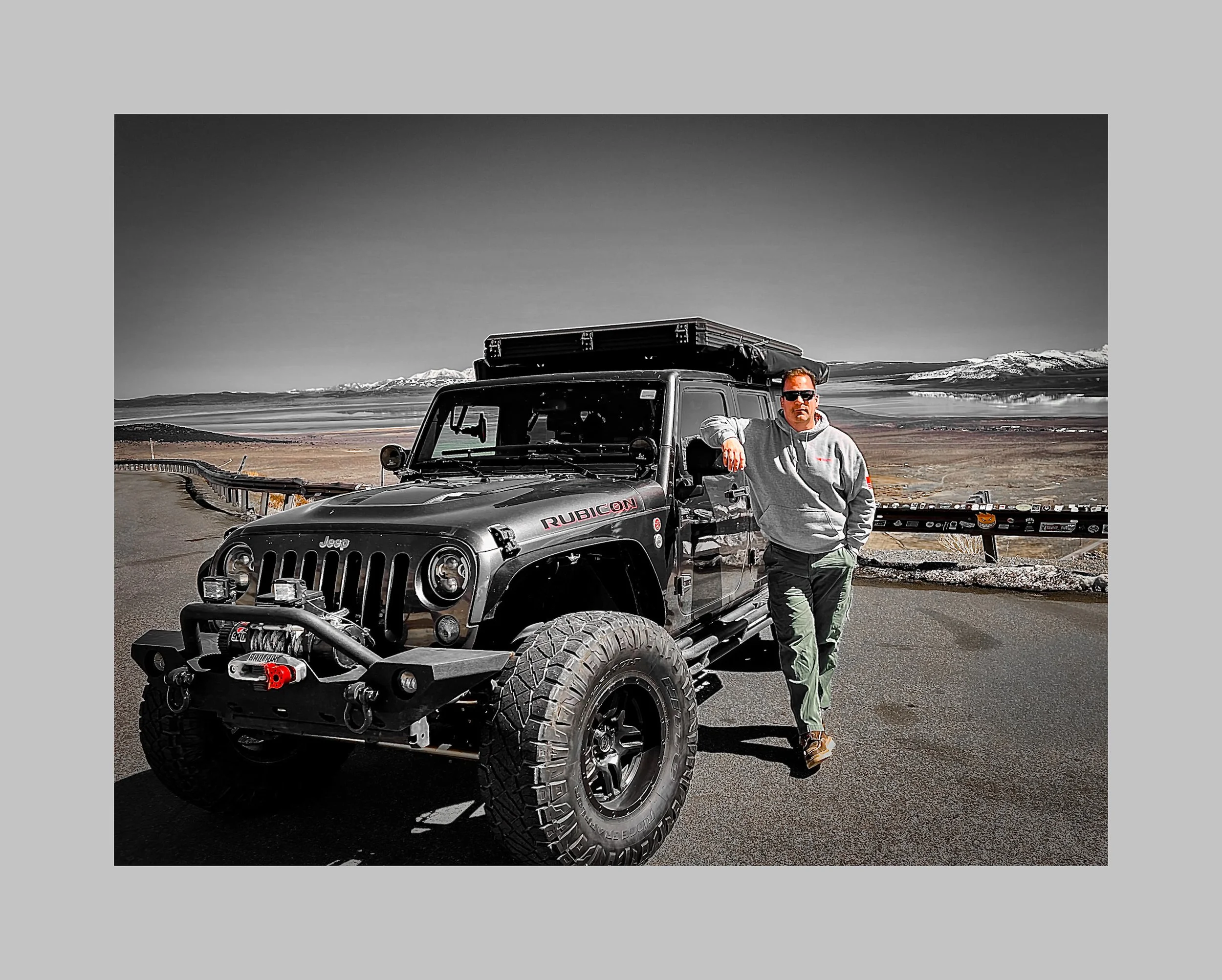
Many of the photographs on this site are the result of time spent exploring — traveling long stretches of back roads, coastal trails, and desert routes in search of places that feel both ordinary and quietly remarkable.
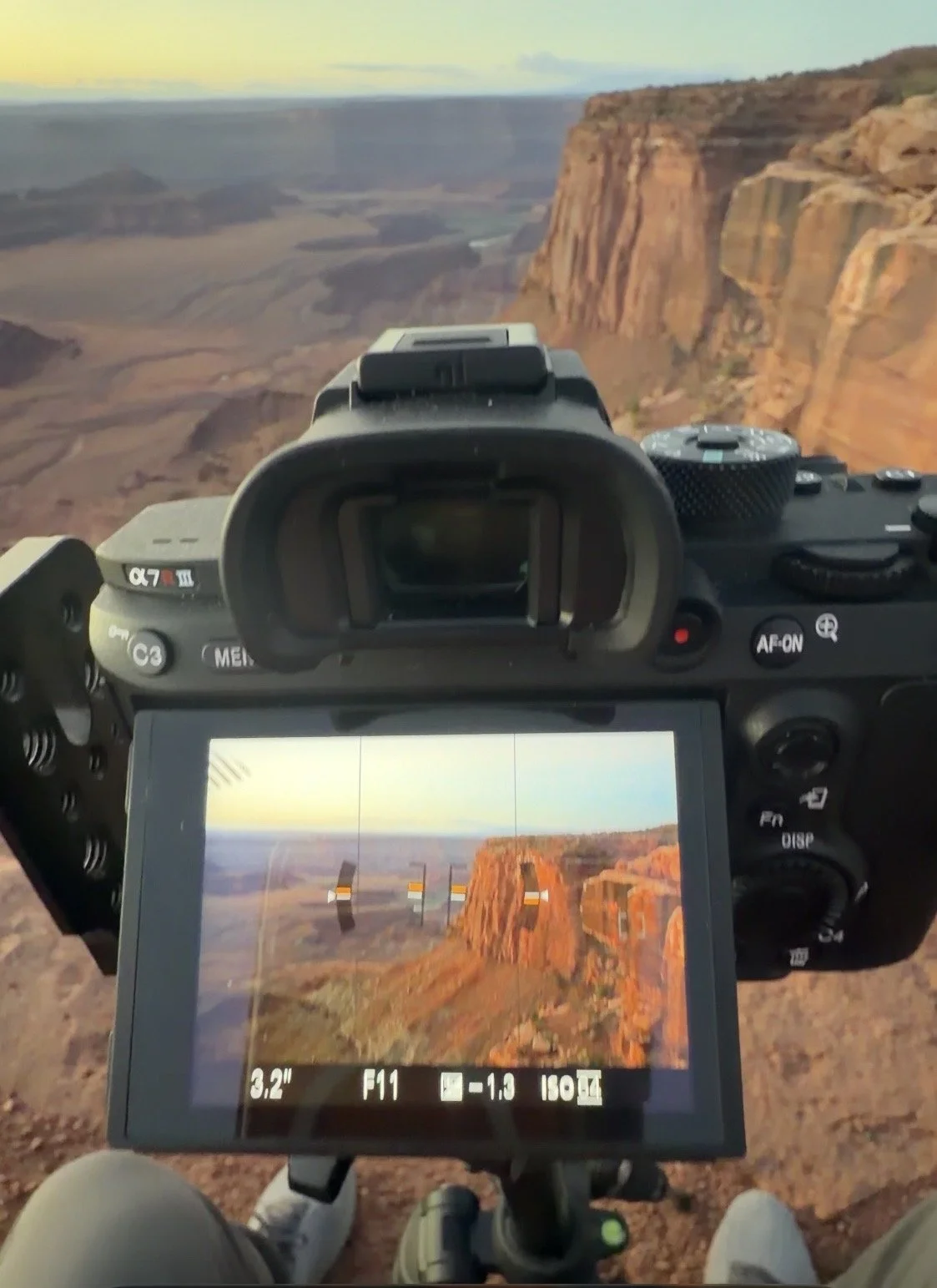
The Process
Most images are created during short windows of light at sunrise or dusk, when landscapes briefly reveal a different character. Light softens, shadows stretch, and familiar places become something quieter and more contemplative.
In many cases the work requires patience more than anything else. Weather shifts, fog rolls in, clouds open for a few seconds, and then the moment is gone.
Long exposures are sometimes used to slow the movement of water and clouds, allowing the photograph to capture the underlying stillness of a place rather than just the motion happening within it.
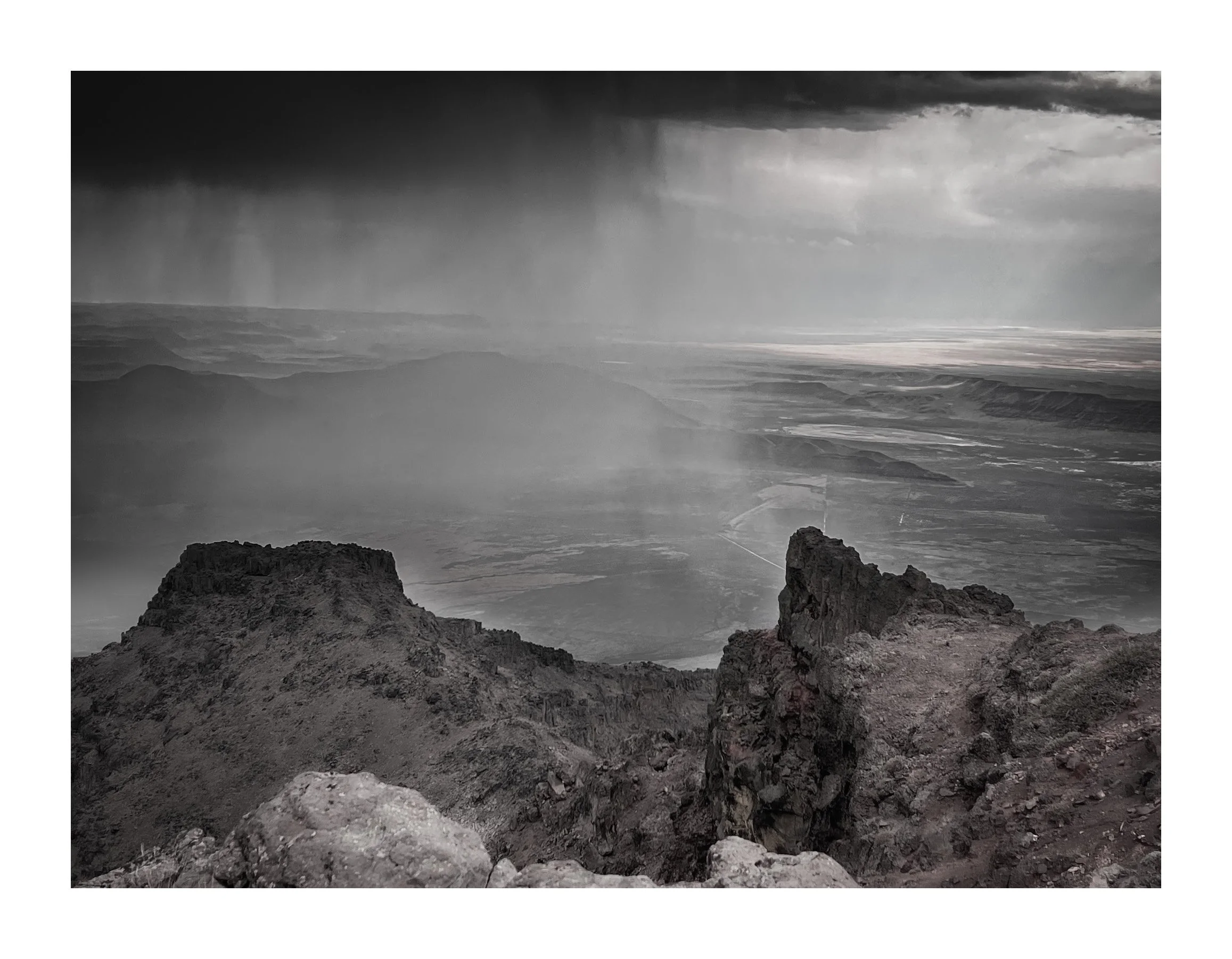
Other images are intentionally simple — a single ridgeline, a quiet shoreline, or the subtle transition between light and shadow.
Exploration
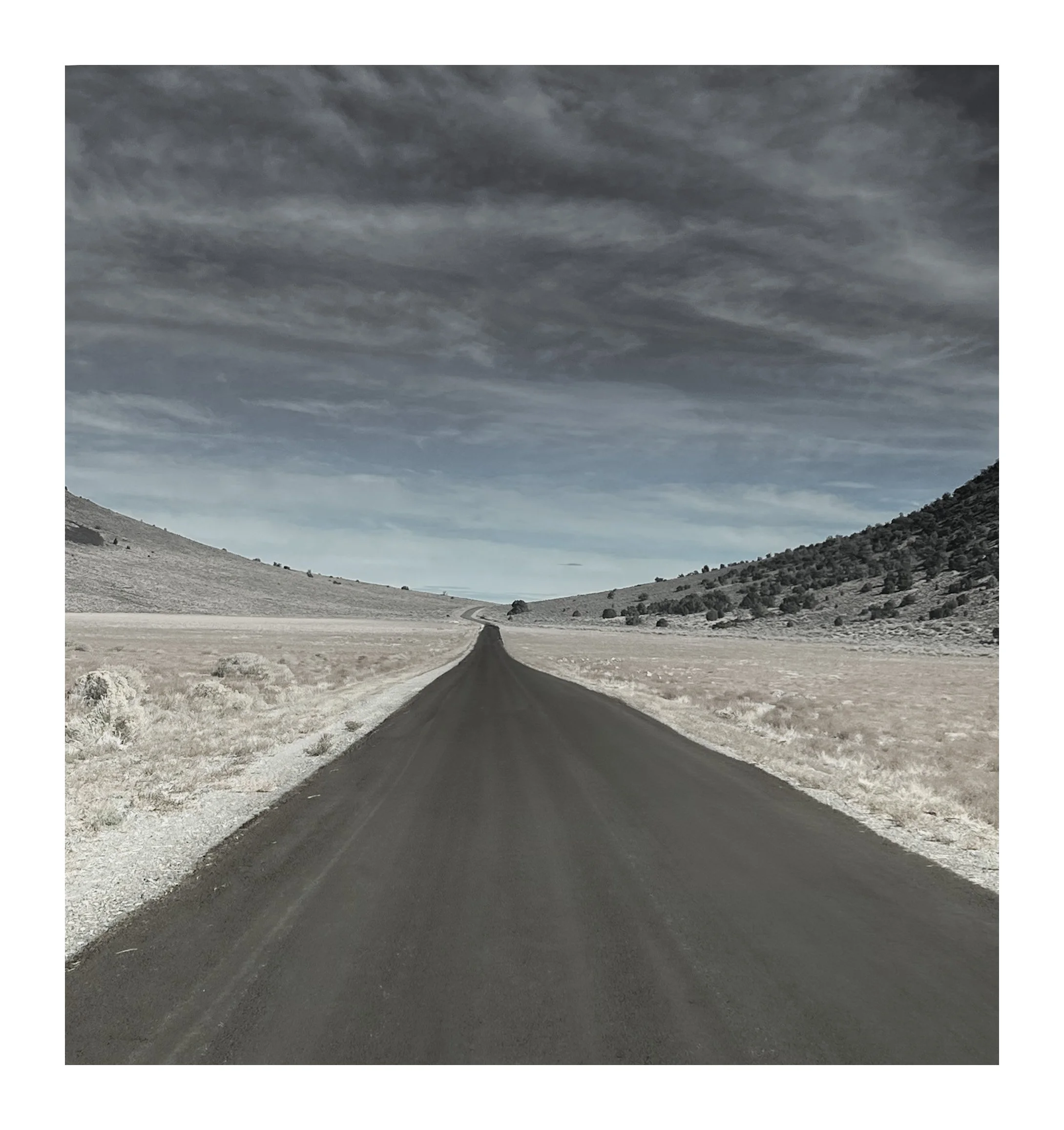
Exploration plays a large role in how these photographs are made.
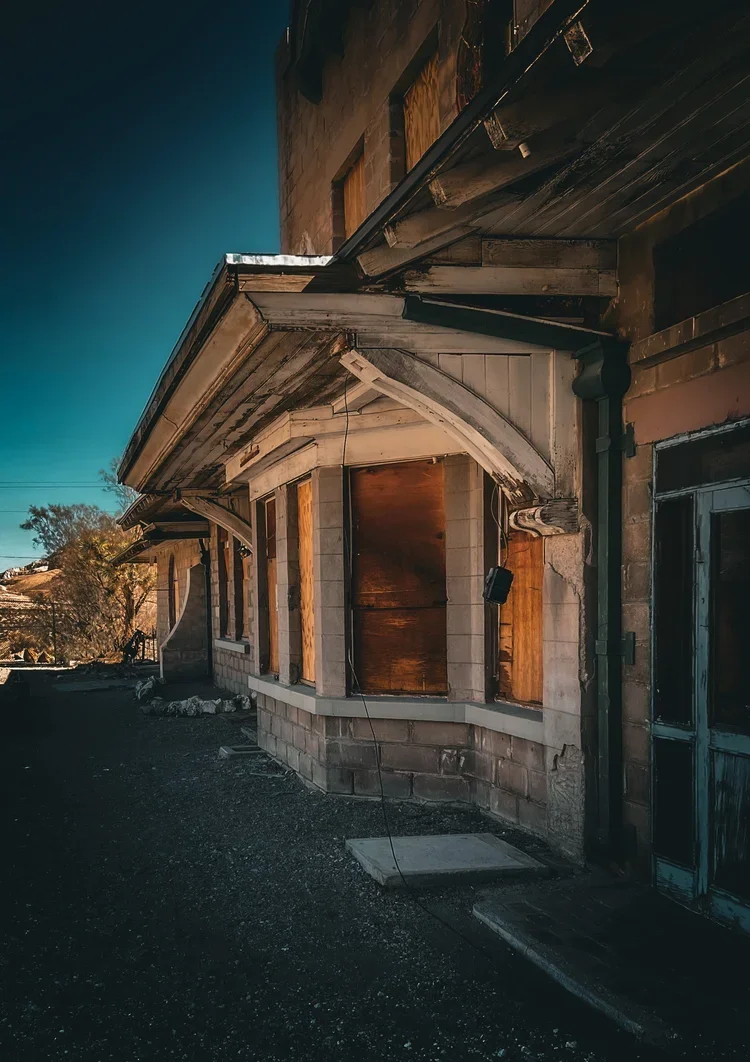
Many locations are discovered while traveling remote roads throughout California and the western states. Some places are visited repeatedly over months or years, waiting for the right conditions to return.
The process is less about chasing dramatic scenes and more about paying attention to quieter landscapes and locations that reveal themselves slowly over time.
Some photographs come from well-known coastlines. Others come from places most people simply pass through on their way somewhere else.
Why Print Photography
While photographs are easily viewed on screens, they are meant to exist physically.
Large prints allow a landscape to breathe. Subtle textures, gradients, and small details become visible in ways that are difficult to appreciate on a phone or computer display.
Each photograph on this site is available as a museum-quality archival print produced through a professional fine art lab. These prints are created using pigment-based inks and archival papers designed to last for generations.
The goal is simple: to allow a quiet moment from the landscape to exist in a physical space.
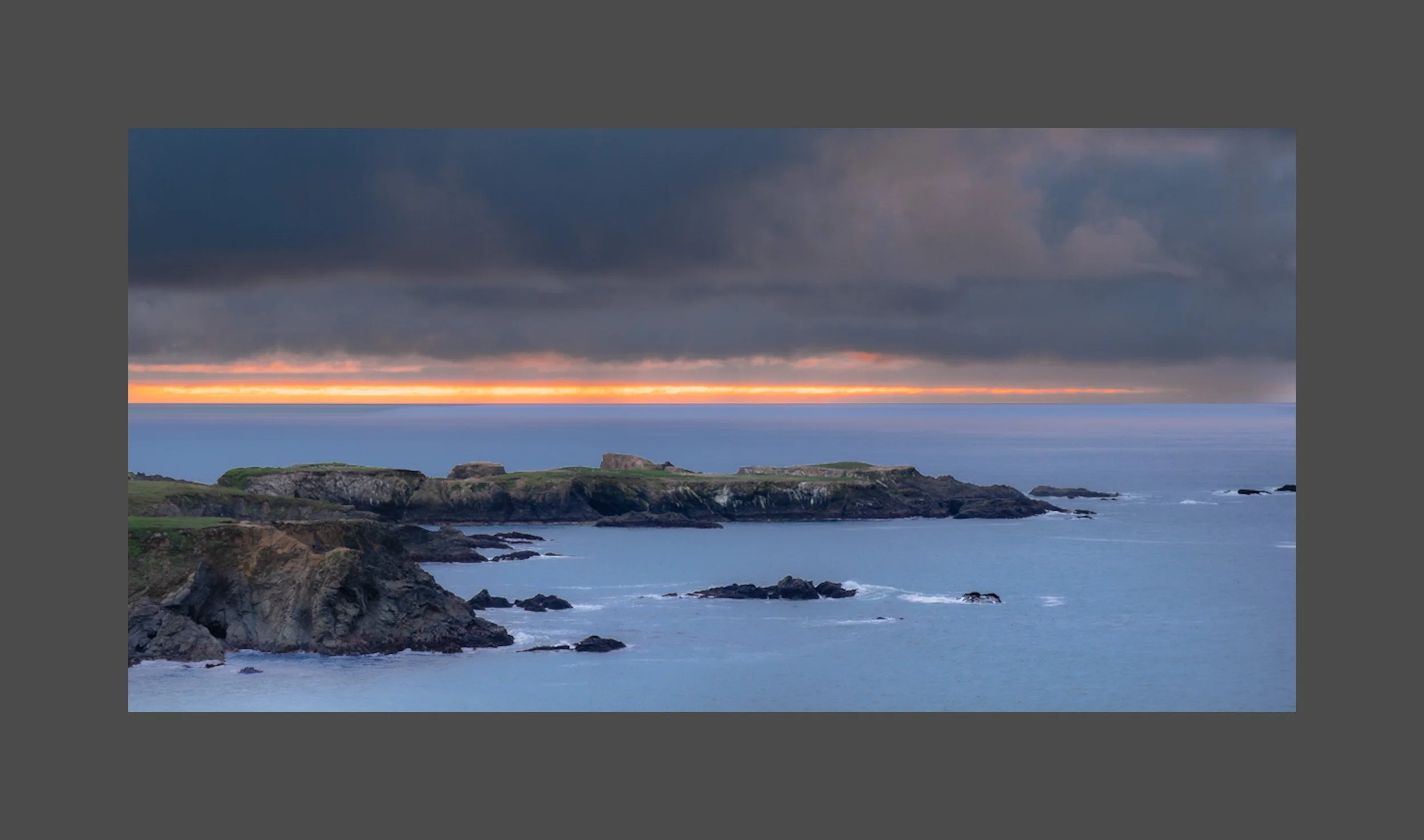
All photographs displayed on this site are available as archival fine art prints.
See Collect Prints for details.